



Golf Tourism Enters a New Era

Golf Tourism Enters a New Era

2 min read

2 min read

2 min read

What’s Next

Jan 1, 2026

Golf tourism has quietly become one of the most dynamic segments of the global leisure economy.

Golf tourism has quietly become one of the most dynamic segments of the global leisure economy.

Sean Rafter

Chairman

Thorne&Co

Sean Rafter

Chairman

Thorne&Co

Sean Rafter

Chairman

Thorne&Co

Once associated with retirees and corporate away-days, it is now driven by younger, wealthier, and more diverse travellers who expect far more than 18 holes and a clubhouse lunch. In the U.S. alone, over 12 million people now travel annually specifically to play golf, spending more than $30 billion a year. Globally, golf tourism is forecast to grow at close to 9% per annum through 2030.

This is not a post-pandemic spike. It reflects a structural shift in how leisure is consumed.

A New Kind of Golf Traveller

The modern golf tourist looks very different from the old stereotype.

The largest single age cohort is now 18–34, with Millennials outspending every other generation on golf-related travel, memberships, and experiences. Women’s participation has reached a record high, and nearly a quarter of golf travellers earn more than twice the median household income.

Golf has become part of a broader lifestyle itinerary — folded into trips that include wellness, dining, social experiences, and complementary sports. For many, golf is no longer the sole reason to travel, but the anchor around which a richer leisure experience is built.

From Courses to Destinations

This shift is reshaping where value is created.
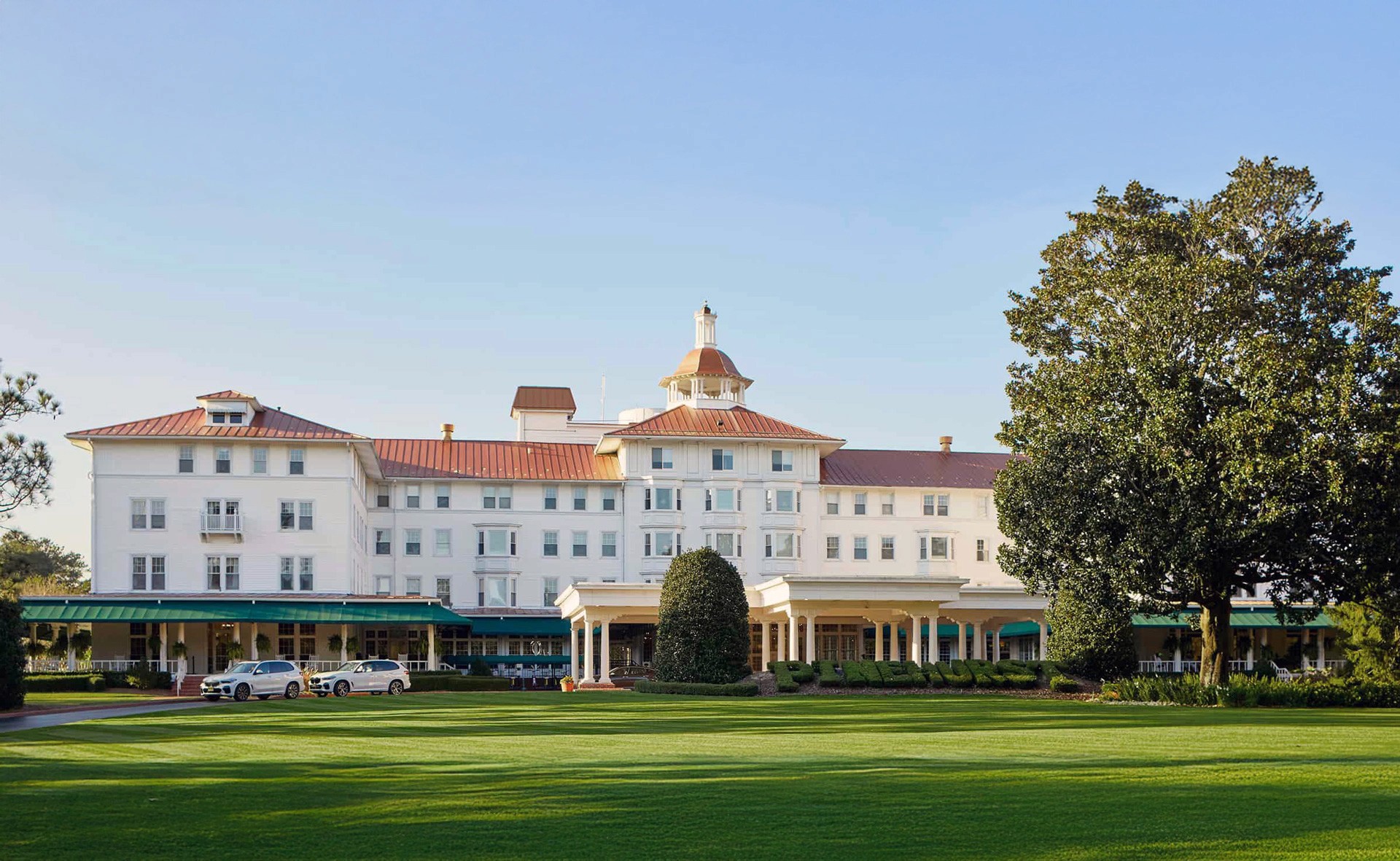


Iconic “destination golf” venues — from Pinehurst and Bandon Dunes to Gleneagles and Terre Blanche — are thriving not simply because of course quality, but because they offer multi-day, multi-layered experiences. Guests increasingly prioritise food, retail, wellness, and social spaces alongside tee times.

Data consistently shows that golf tourists spend significantly more per trip than the average leisure traveller, often staying longer and travelling with non-golfing companions. For operators, this makes golf one of the most powerful drivers of premium, high-margin hospitality revenue.

The Strategic Opportunity — and the Risk

The opportunity for resorts, hotels, and legacy clubs is clear: golf works best today as infrastructure, not as a standalone product.

Those who invest in wellness, culinary ambition, cultural programming, and sporting diversity are turning courses into anchors for fully fledged leisure ecosystems. Those who do not may still fill tee sheets — but will increasingly underperform commercially.

The winners understand that modern golf travel is not about nostalgia. It’s about experience density: how much value, meaning, and enjoyment can be delivered in a single stay.
Looking Ahead

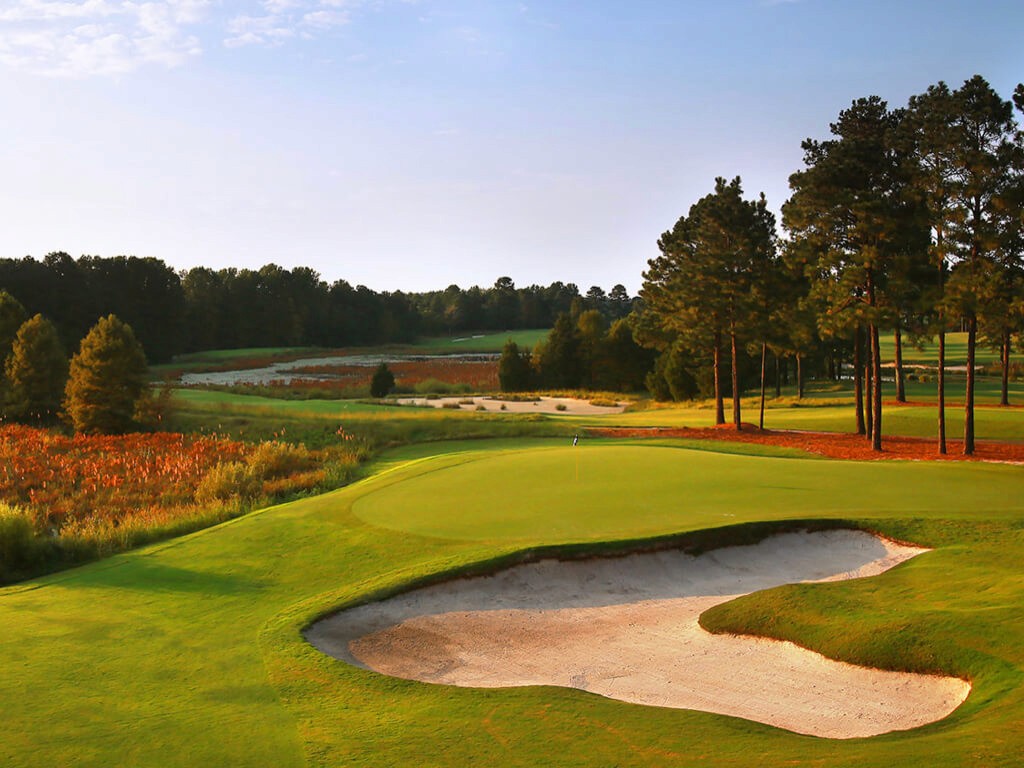
With a younger audience entering the market, women’s participation rising, and affluent travellers seeking curated, high-quality leisure experiences, golf tourism is well positioned for long-term growth.

The fairway ahead belongs to destinations willing to evolve — from course operators into lifestyle brands.

For those that don’t, the rough is getting closer.

Follow us to keep in touch.

Once associated with retirees and corporate away-days, it is now driven by younger, wealthier, and more diverse travellers who expect far more than 18 holes and a clubhouse lunch. In the U.S. alone, over 12 million people now travel annually specifically to play golf, spending more than $30 billion a year. Globally, golf tourism is forecast to grow at close to 9% per annum through 2030.

This is not a post-pandemic spike. It reflects a structural shift in how leisure is consumed.

A New Kind of Golf Traveller

The modern golf tourist looks very different from the old stereotype.

The largest single age cohort is now 18–34, with Millennials outspending every other generation on golf-related travel, memberships, and experiences. Women’s participation has reached a record high, and nearly a quarter of golf travellers earn more than twice the median household income.

Golf has become part of a broader lifestyle itinerary — folded into trips that include wellness, dining, social experiences, and complementary sports. For many, golf is no longer the sole reason to travel, but the anchor around which a richer leisure experience is built.

From Courses to Destinations

This shift is reshaping where value is created.


Iconic “destination golf” venues — from Pinehurst and Bandon Dunes to Gleneagles and Terre Blanche — are thriving not simply because of course quality, but because they offer multi-day, multi-layered experiences. Guests increasingly prioritise food, retail, wellness, and social spaces alongside tee times.

Data consistently shows that golf tourists spend significantly more per trip than the average leisure traveller, often staying longer and travelling with non-golfing companions. For operators, this makes golf one of the most powerful drivers of premium, high-margin hospitality revenue.

The Strategic Opportunity — and the Risk

The opportunity for resorts, hotels, and legacy clubs is clear: golf works best today as infrastructure, not as a standalone product.

Those who invest in wellness, culinary ambition, cultural programming, and sporting diversity are turning courses into anchors for fully fledged leisure ecosystems. Those who do not may still fill tee sheets — but will increasingly underperform commercially.

The winners understand that modern golf travel is not about nostalgia. It’s about experience density: how much value, meaning, and enjoyment can be delivered in a single stay.

Looking Ahead

With a younger audience entering the market, women’s participation rising, and affluent travellers seeking curated, high-quality leisure experiences, golf tourism is well positioned for long-term growth.

The fairway ahead belongs to destinations willing to evolve — from course operators into lifestyle brands.

For those that don’t, the rough is getting closer.

Follow us to keep in touch.