


Logging Off Is the New Luxury

Logging Off Is the New Luxury

2 min read

2 min read

2 min read

What’s Next

Jan 29, 2026

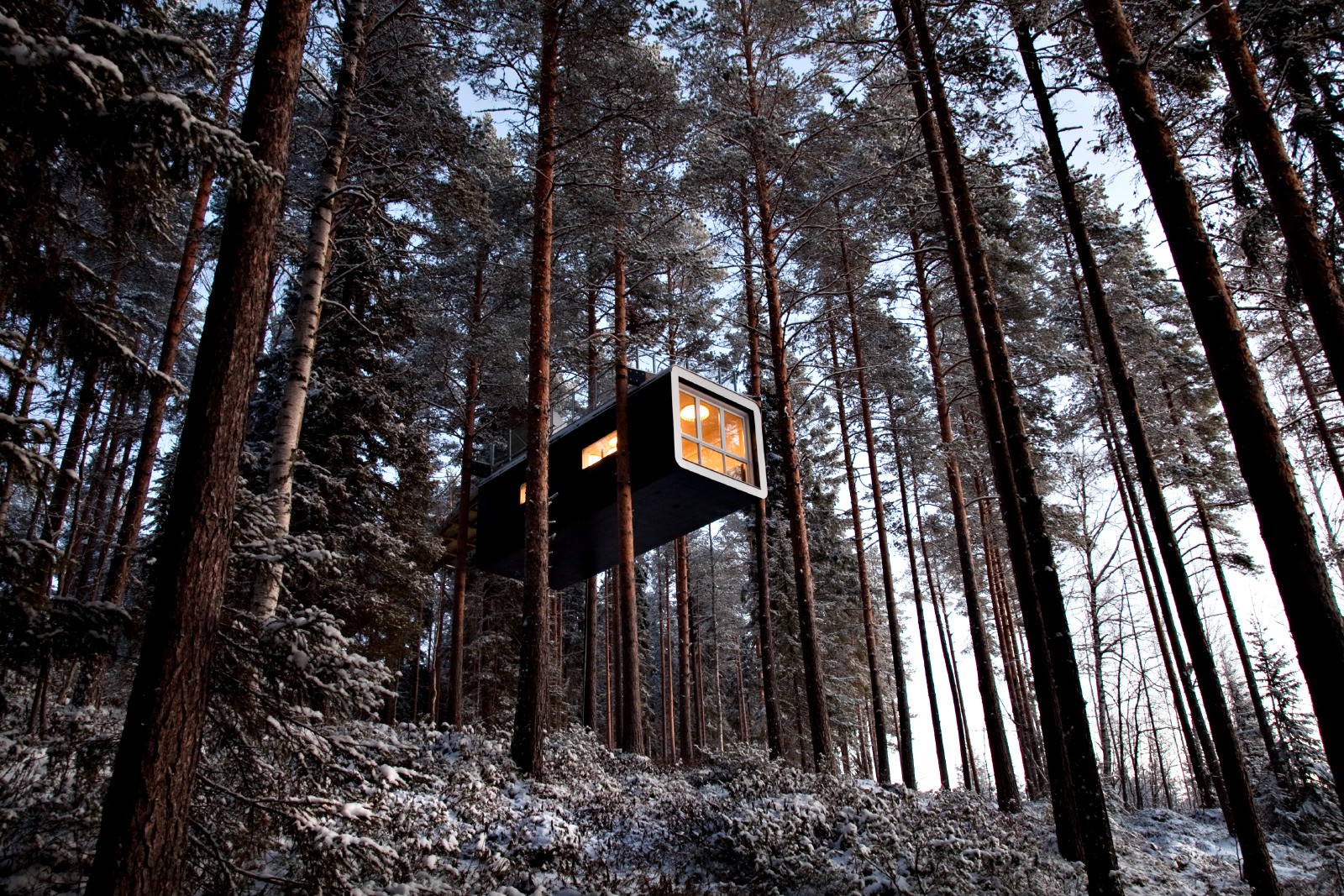
Wellness-led hotels are no longer a side note in hospitality – they’re one of its most compelling chapters. Feature Photo: Treehotel.

Wellness-led hotels are no longer a side note in hospitality – they’re one of its most compelling chapters. Feature Photo: Treehotel.

Steve Thorne

CEO

Thorne&Co

Steve Thorne

CEO

Thorne&Co

Steve Thorne

CEO

Thorne&Co

Across Europe and the UK, travellers are actively choosing places that help them slow down, switch off and reconnect with something more human. Not just better sleep and healthier food, but fewer screens, quieter spaces and more analogue moments.

This shift isn’t just anecdotal – it’s measurable. Globally, wellness tourism surpassed $1 trillion in value in 2025, with wellness travellers now accounting for roughly 8.3% of all tourism trips and 17.6% of total tourism spending, because they spend significantly more per trip than average travellers*. In Europe alone, the wellness tourism market is projected to grow steadily, with forecasts estimating it at nearly $300 billion in 2025 and expanding further toward 2030**. UK wellness tourism is also booming – expected to grow at over 11% annually through 2030 and reach almost $90 billion in market size***.  

Lanserhof Tegernsee

The lived experience reflects the data. In Umbria, Eremito strips hospitality back to its monastic roots, encouraging full digital disconnection. In Germany, Lanserhof Tegernsee and Villa Stéphanie combine medical-grade wellness with screen-free zones and even in-room tech kill switches. Spain’s SHA Wellness Clinic blends detox, nutrition and mindfulness with policies that gently discourage device use. Sweden’s Treehotel takes it further, offering forest lodges with minimal connectivity so nature, not notifications, defines the stay. In the UK, Burgh Island Hotel in Devon is an iconic Art-Deco property on its own tidal island encourages guests to step away from the noise of everyday life and embrace slow, mindful living – whether that means long coastal strolls or simply lingering over breakfast without screens. Digital detoxing here feels natural rather than enforced, making it ideal for those craving calm and presence.

Event city hotels are promoting digital detachment; for example, the Mandarin Oriental in London encourages guests to surrender their phones and enjoy activities like journaling, meditation, and calming amenities. At the more rustic but equally relaxing end of the scale, for some, is Unplugged Cabins: located within an hour of London, these cabins offer 3-4 night stays with no Wi-Fi, providing a phone lockbox, analog games, and, specifically, a Nokia phone to replace your smartphone, ensuring a complete break from technology.
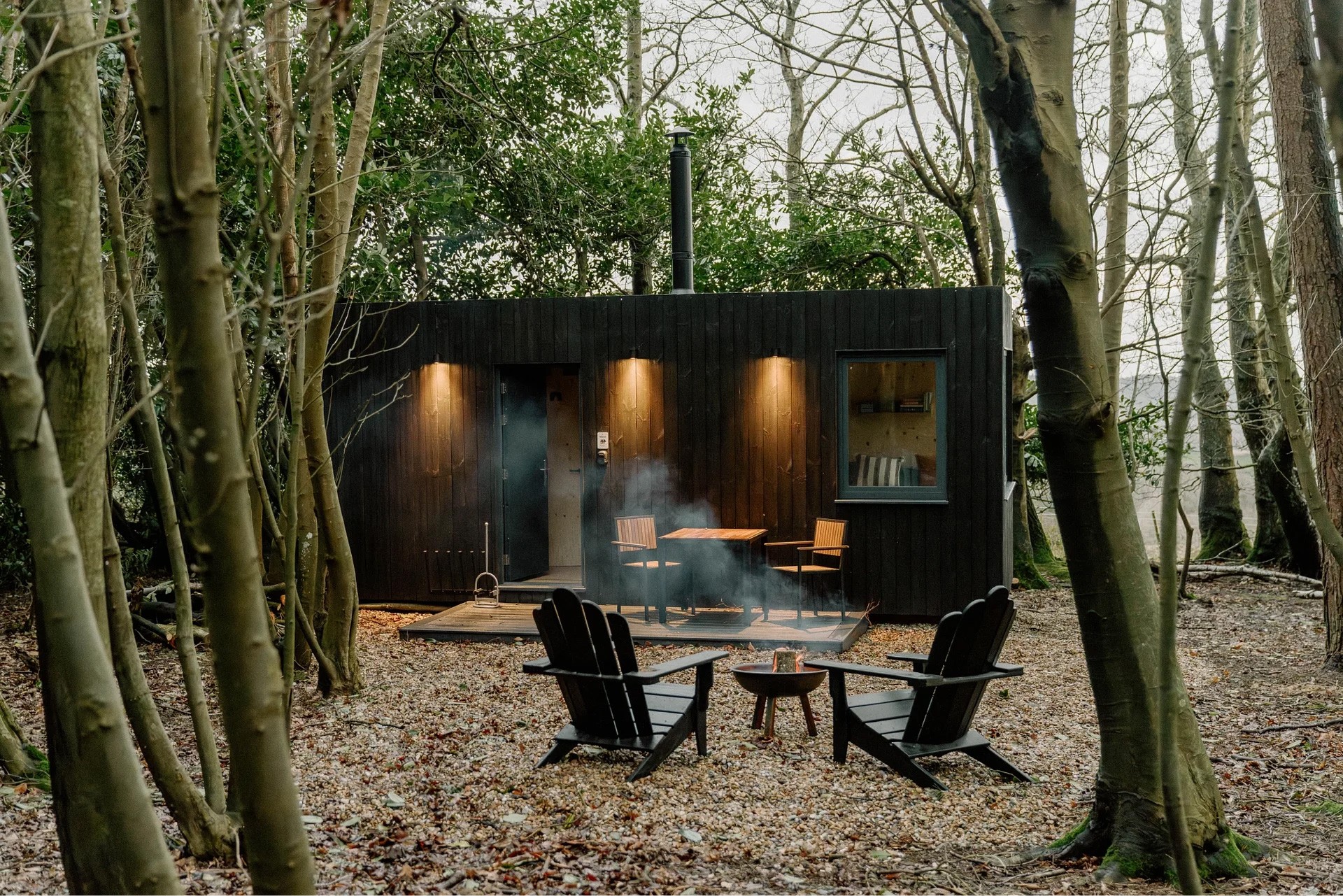
Unplugged Cabins

For hoteliers and investors, the opportunity is clear. Wellness-focused properties consistently command premium rates and longer stays, while ancillary revenues from spa, fitness, nutrition and curated experiences grow. Digital-detox programming is more than a trend – it’s a response to genuine consumer desire for balance and meaning. In a crowded market, wellness isn’t just an add-on, it’s a durable, experience-led business strategy with strong commercial upside.
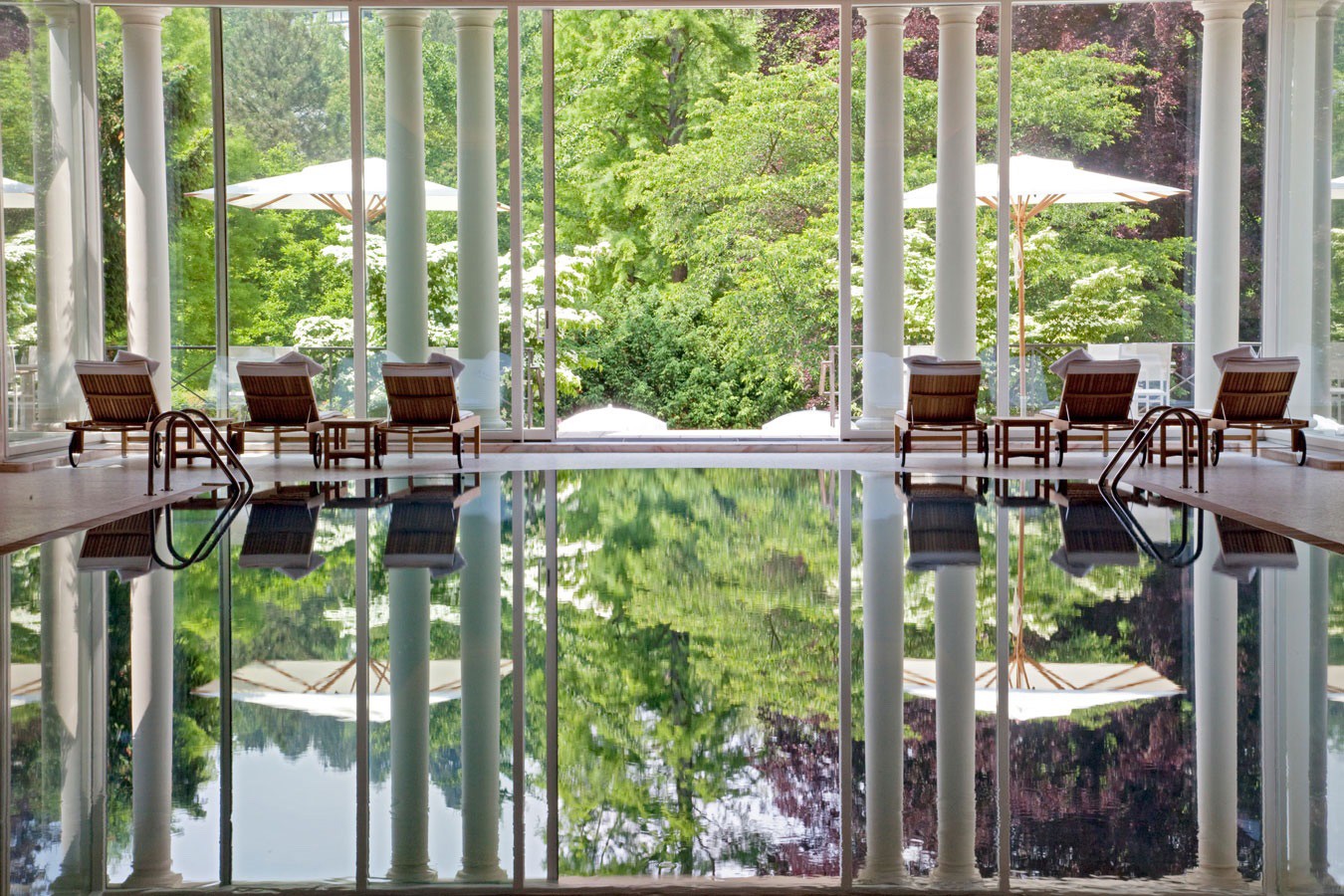
Villa Stéphanie

Why is this becoming so important? Because in a world that never stops pinging, the rarest indulgence isn’t another upgrade, app or algorithm – it’s fast becoming the desire for silence, space and time that feels like your own. The smartest hotels now understand that true luxury isn’t about adding more, but perhaps about taking things away. Switch off the Wi-Fi, put the phone face down, open a book or simply do nothing at all. After all, the most valuable thing a hotel can give its guests today isn’t faster connectivity – it’s the permission to disconnect.


*Global Wellness Institute 2025

**BITESP 

***GrandView Horizon Research 

Follow us to keep in touch.

Across Europe and the UK, travellers are actively choosing places that help them slow down, switch off and reconnect with something more human. Not just better sleep and healthier food, but fewer screens, quieter spaces and more analogue moments.

This shift isn’t just anecdotal – it’s measurable. Globally, wellness tourism surpassed $1 trillion in value in 2025, with wellness travellers now accounting for roughly 8.3% of all tourism trips and 17.6% of total tourism spending, because they spend significantly more per trip than average travellers*. In Europe alone, the wellness tourism market is projected to grow steadily, with forecasts estimating it at nearly $300 billion in 2025 and expanding further toward 2030**. UK wellness tourism is also booming – expected to grow at over 11% annually through 2030 and reach almost $90 billion in market size***.  

Lanserhof Tegernsee

The lived experience reflects the data. In Umbria, Eremito strips hospitality back to its monastic roots, encouraging full digital disconnection. In Germany, Lanserhof Tegernsee and Villa Stéphanie combine medical-grade wellness with screen-free zones and even in-room tech kill switches. Spain’s SHA Wellness Clinic blends detox, nutrition and mindfulness with policies that gently discourage device use. Sweden’s Treehotel takes it further, offering forest lodges with minimal connectivity so nature, not notifications, defines the stay. In the UK, Burgh Island Hotel in Devon is an iconic Art-Deco property on its own tidal island encourages guests to step away from the noise of everyday life and embrace slow, mindful living – whether that means long coastal strolls or simply lingering over breakfast without screens. Digital detoxing here feels natural rather than enforced, making it ideal for those craving calm and presence.

Event city hotels are promoting digital detachment; for example, the Mandarin Oriental in London encourages guests to surrender their phones and enjoy activities like journaling, meditation, and calming amenities. At the more rustic but equally relaxing end of the scale, for some, is Unplugged Cabins: located within an hour of London, these cabins offer 3-4 night stays with no Wi-Fi, providing a phone lockbox, analog games, and, specifically, a Nokia phone to replace your smartphone, ensuring a complete break from technology.

Unplugged Cabins

For hoteliers and investors, the opportunity is clear. Wellness-focused properties consistently command premium rates and longer stays, while ancillary revenues from spa, fitness, nutrition and curated experiences grow. Digital-detox programming is more than a trend – it’s a response to genuine consumer desire for balance and meaning. In a crowded market, wellness isn’t just an add-on, it’s a durable, experience-led business strategy with strong commercial upside.

Villa Stéphanie

Why is this becoming so important? Because in a world that never stops pinging, the rarest indulgence isn’t another upgrade, app or algorithm – it’s fast becoming the desire for silence, space and time that feels like your own. The smartest hotels now understand that true luxury isn’t about adding more, but perhaps about taking things away. Switch off the Wi-Fi, put the phone face down, open a book or simply do nothing at all. After all, the most valuable thing a hotel can give its guests today isn’t faster connectivity – it’s the permission to disconnect.


*Global Wellness Institute 2025

**BITESP 

***GrandView Horizon Research 

Follow us to keep in touch.