




More insights.
As the pace of modern life accelerates and travellers increasingly seek meaningful experiences over material indulgence, nature retreats have emerged as one of the most compelling segments within global hospitality.
Once considered a niche category focused primarily on wellness enthusiasts and eco-tourists, nature-based retreats have evolved into a sophisticated luxury travel sector that is attracting affluent travellers, families, couples, remote workers and wellness seekers alike.
The growth trajectory is remarkable. According to the Nature Retreats Global Market Report 2025, the global nature retreats market is forecast to reach approximately $45.66 billion by 2029, reflecting sustained annual growth driven by increasing environmental awareness, rising interest in wellness tourism, and a growing desire among consumers to reconnect with the natural world. The market has expanded from an estimated $31.98 billion in 2024 to $34.26 billion in 2025, with continued strong growth anticipated throughout the remainder of the decade*.
At its core, a nature retreat offers something increasingly scarce in contemporary life: space. Space to disconnect from technology, reconnect with loved ones, restore physical and mental wellbeing, and experience the restorative power of natural landscapes. Whether situated in mountains, forests, coastal environments or protected wilderness areas, these retreats are designed to immerse guests in nature while providing carefully curated experiences that promote relaxation, rejuvenation and personal wellbeing.
Today’s leading nature retreats extend far beyond traditional eco-lodges. The sector now encompasses luxury resorts, wellness sanctuaries, sustainable hideaways, glamping concepts, forest lodges and private wilderness estates. Activities commonly include guided hiking, meditation, yoga, wild swimming, foraging, nature-based therapies, birdwatching and outdoor adventure programmes, all delivered with an increasing focus on sustainability and environmental stewardship.
The Rise of “Nature Luxury”
Perhaps the most significant trend within the sector is the emergence of what many operators describe as “nature luxury” – a concept that combines exceptional hospitality standards with authentic immersion in natural environments.
Unlike traditional luxury hospitality, which often focuses on conspicuous consumption, nature luxury places emphasis on privacy, wellbeing, sustainability and experience. Guests are increasingly willing to exchange urban glamour for remote mountain vistas, forest silence and meaningful encounters with nature, provided comfort and service levels remain uncompromising.
This shift is particularly evident among affluent travellers who view wellness and longevity as essential components of modern luxury. Nature retreats offer a compelling antidote to the pressures of urban living, combining physical activity, restorative landscapes and increasingly sophisticated wellness programmes.
Europe’s Leading Nature Retreats
Europe has become one of the world’s most innovative regions for luxury nature hospitality, blending exceptional natural settings with world-class accommodation and wellness offerings.
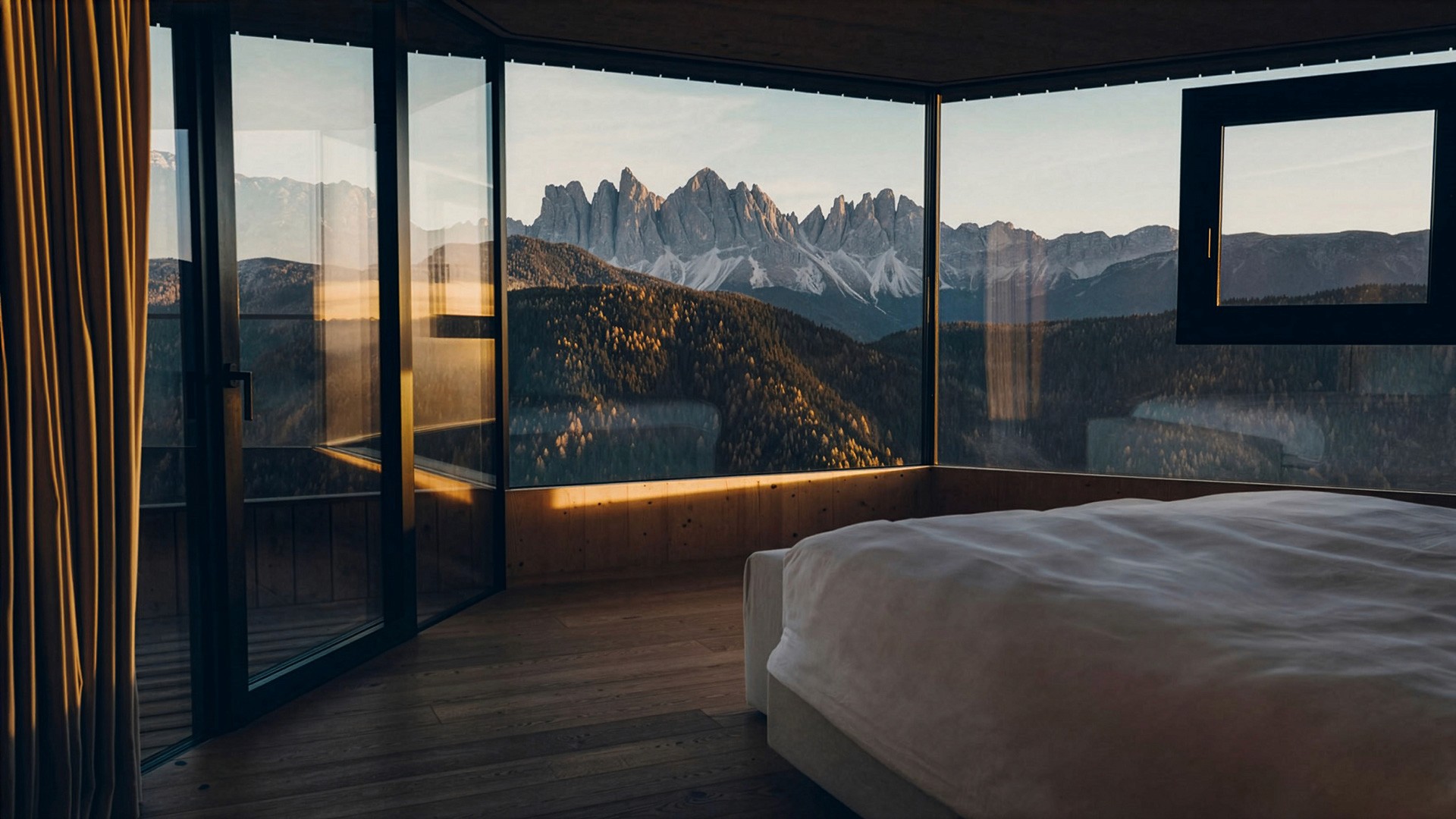
Forestis, Dolomites
Among the most celebrated examples is Forestis in the Italian Dolomites. Perched high above the Puster Valley, the resort has become synonymous with sustainable alpine luxury, offering panoramic mountain views, architecture rooted in local materials and a wellness philosophy inspired by the surrounding forest environment.
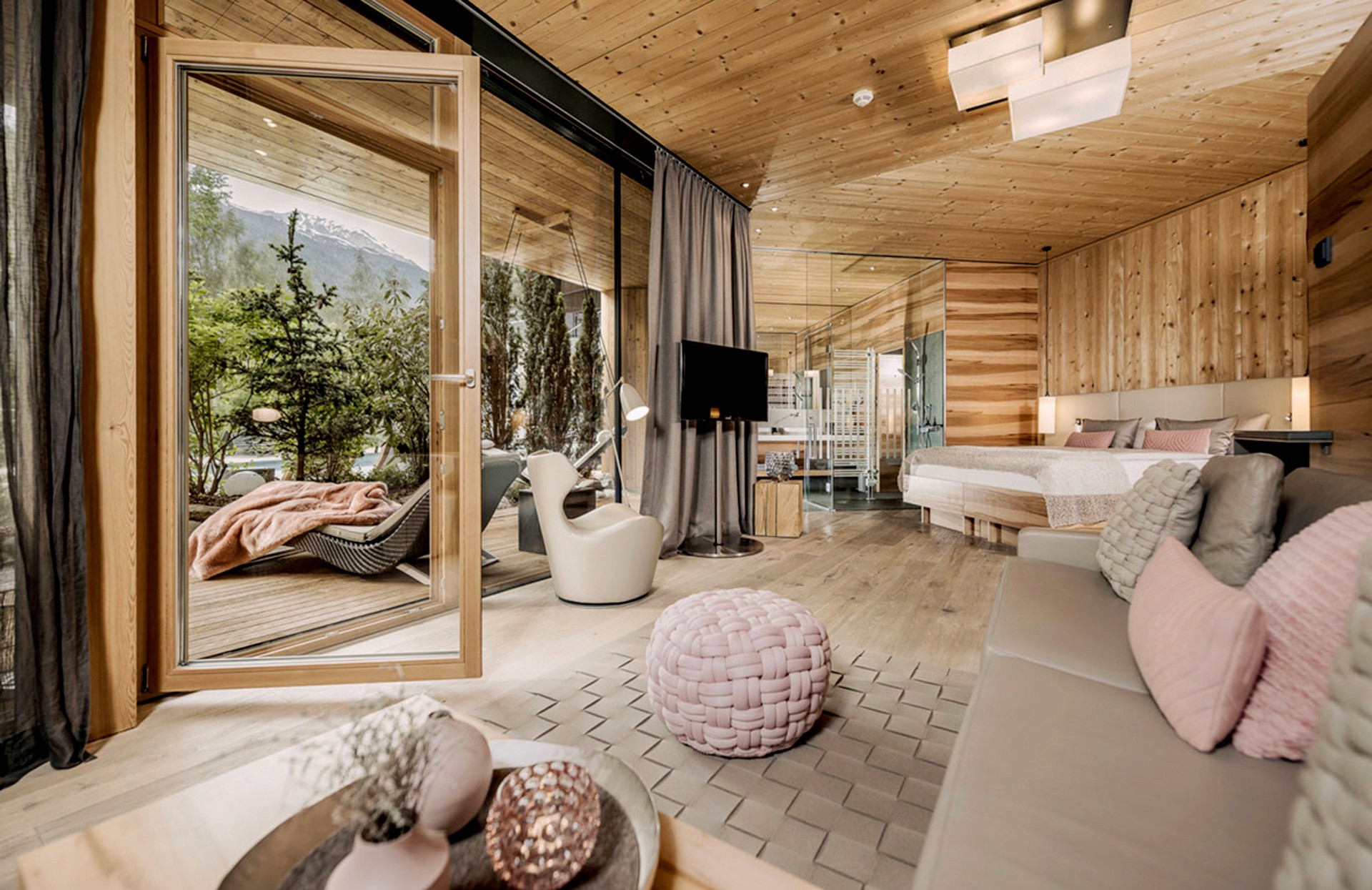
Nature Waldklause
In Austria’s Ötztal Valley, Naturhotel Waldklause exemplifies how sustainability and five-star hospitality can coexist. Built largely from natural timber and integrated into its mountain setting, the hotel combines luxury accommodation with wellness programmes focused on mindfulness, nature and environmental responsibility.

Atzaró Agroturismo
Ibiza’s Atzaró Agroturismo Hotel offers a Mediterranean interpretation of the concept. Set within a historic rural estate surrounded by orange groves and gardens, it blends wellness, gastronomy and agricultural heritage into an immersive nature-led experience. A delightful addition for guests is to wander their 3-hectare vegetable garden which provides much of the estate’s produce.
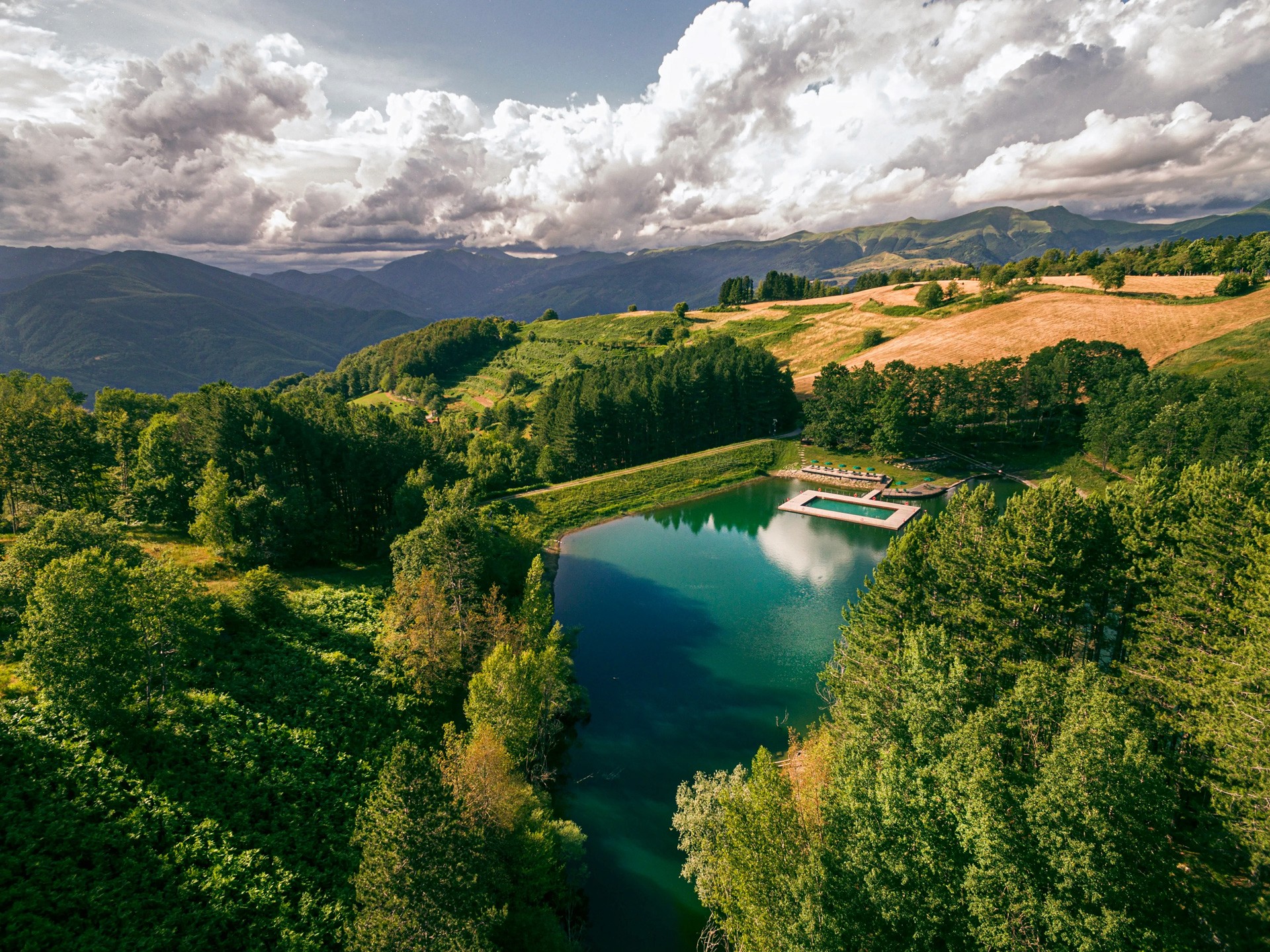
Oasyhotel
In the Italian Apennines, Oasyhotel represents a new generation of wilderness luxury. Located within a protected nature reserve, it provides guests with direct access to forests, lakes and conservation projects while maintaining the service standards expected of a contemporary luxury resort.

Eriro
Meanwhile, boutique properties such as Austria’s Eriro demonstrate growing demand for highly exclusive, adults-only experiences focused on digital disconnection, spa wellness and total immersion in nature.
Why Demand Will Continue to Grow
Several long-term trends suggest the nature retreats sector remains in the early stages of its development.
The first is the continued growth of wellness tourism, now one of the fastest-expanding segments of global travel. Secondly, travellers are increasingly seeking authentic experiences rather than traditional sightseeing itineraries. Thirdly, environmental awareness continues to influence purchasing decisions, encouraging guests to choose properties with genuine sustainability credentials.
Additionally, the rise of flexible working has created a new category of guest who can combine work and leisure in remote, nature-based settings. The concept of “work-from-nature” has become a significant growth driver, particularly among affluent professionals seeking longer stays and improved work-life balance.
Looking Ahead
As luxury hospitality continues to evolve, nature retreats are likely to play an increasingly important role in the future of travel. The most successful operators will be those capable of balancing environmental stewardship with exceptional guest experiences, creating destinations that offer not simply accommodation, but transformation.
For travellers seeking respite from urban life, the appeal is obvious. Nature retreats offer something many luxury experiences cannot: the opportunity to slow down, reconnect with the natural world and return home genuinely restored.
With the market expected to exceed $45 billion by the end of the decade, nature-based hospitality has moved beyond trend status and established itself as one of the defining sectors of modern luxury travel.
For current exciting opportunities in Italy, contact us for a chat at hello@thorne-co.com.
