



More insights.
Growing up in the 1980s, my parents’ house felt like a regular dinner party venue. Entertaining mattered: the right drinks, food, music, the perfect table setting - and no one leaving hungry or bored. Somewhere between topping up glasses and being praised for my Gimlet skills at 13, I learnt (entirely subconsciously) that hospitality is simply about making people feel welcome, comfortable and looked after.
By my mid-teens I was already hooked and set my sights on a hotel career. I started as a room attendant for Hilton National at 15, then bars and restaurants followed as barman, waiter and chef all before I was 18. I loved the rituals, the punters and the organised chaos. I studied hospitality at college then in 1989 joined the Regent Crest Hotel in London. Even at this early point in my career I became very aware of the constantly changing industry via mergers and takeovers. Two enjoyable years with Crest Hotels ended when it was broken up and sold to, among others, Trusthouse Forte and Edwardian Hotels, with some later changing again to Holiday Inn. I learnt my first big industry lesson: brands change fast.
My hospitality career continued into the ‘90s and after a three-year move into high-end property management and serviced lettings in central London, by 1999 I had sidestepped into the emerging serviced-apartment sector. Over the next 15 years I held senior roles with leading names including Oakwood, Ascott/Somerset, InterContinental Hotels Group and Jumeirah, helping to launch and scale a rapidly growing segment of the industry, including a luxury serviced residence on Park Lane in Mayfair - arguably the ultimate five-star hotel address. That early lesson on evolving brands repeated itself continually as I watched brands grow, merge and absorb competitors. In my world, Ascott acquired Australian brand Oakford, then European brand Citadines, then in more recent years, US leader Oakwood was swallowed up - building global dominance exactly as planned. But returning to Ascott a decade after I first joined them, I noticed a shift. The real-estate agenda had taken centre stage; property values and global growth dominated leadership conversations. I still loved the business and the brand but the guest, once central, featured far less in their motivation.
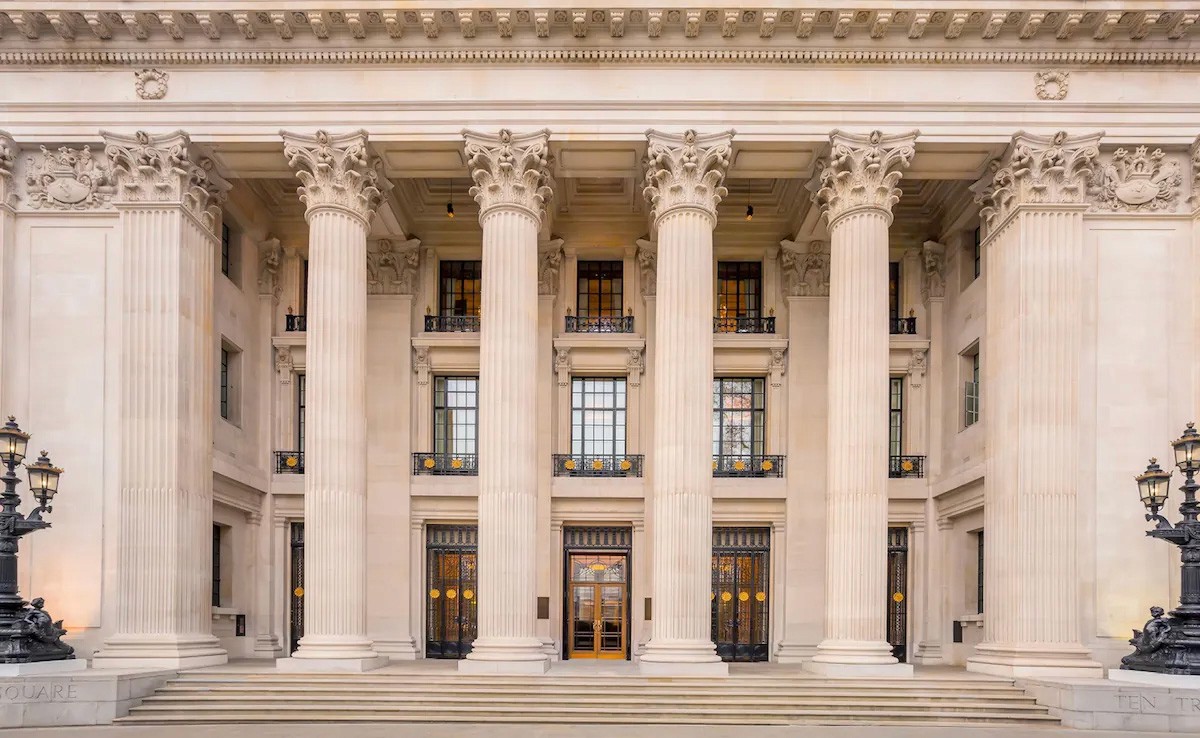
Four Seasons London at Tower Bridge
So, in 2014 and after almost thirty years in hospitality, I chose to move away from the corporate environment of the big hospitality brands and establish my own consultancy. I wanted to focus on projects and businesses that better reflected my passion for the business, where the work felt more personal and genuinely human.
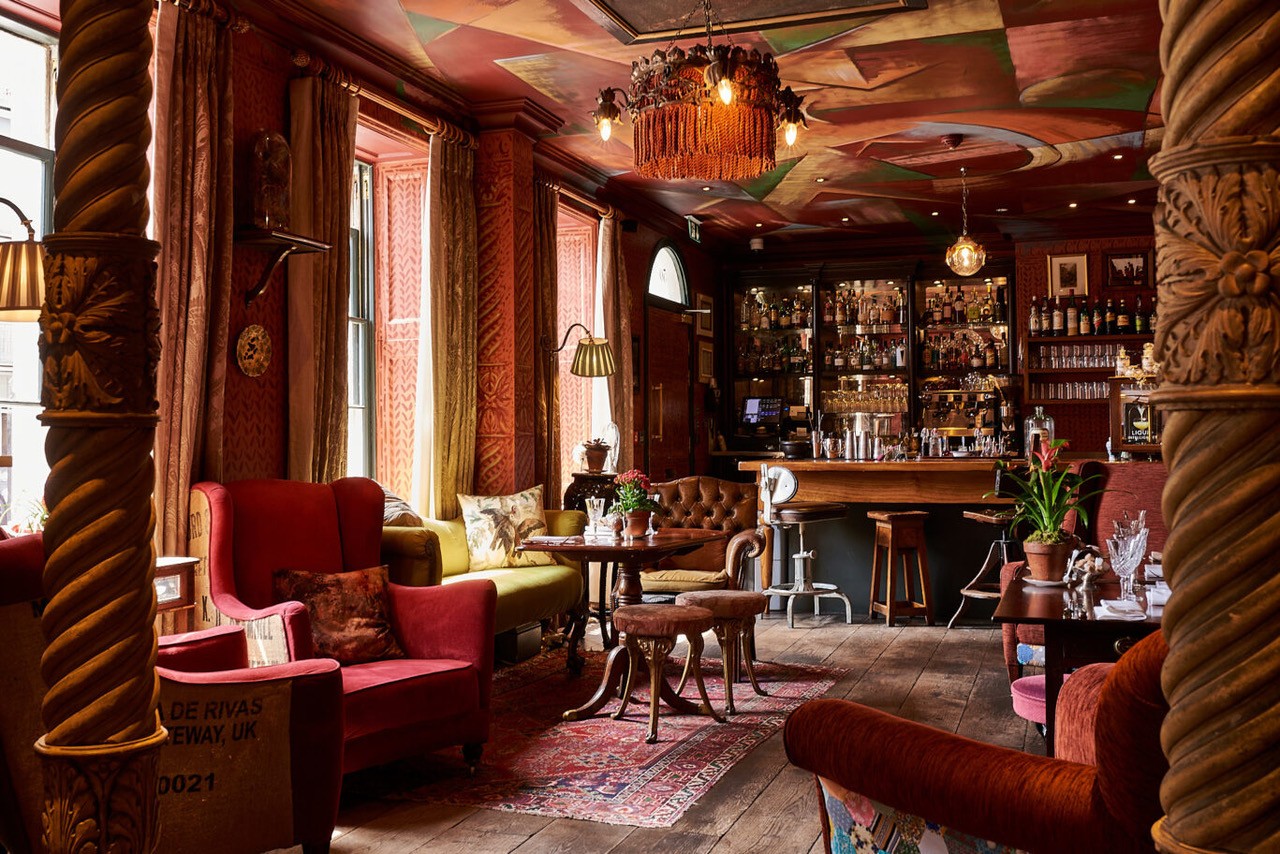
The Parlour at Zetter Clerkenwell, London
Projects with independent hotels and luxury operators followed, including The Zetter Group, MyHotels, The Pilgrm and Four Seasons Hotels & Resorts. In 2017, personal passions relocated my life to northern Italy, restoring old houses alongside my consulting work as well as opening and supporting hotels in Piemonte and Liguria. Villa Menaluna – my own hillside rental retreat - emerged along the way, winning two industry awards in 2025.
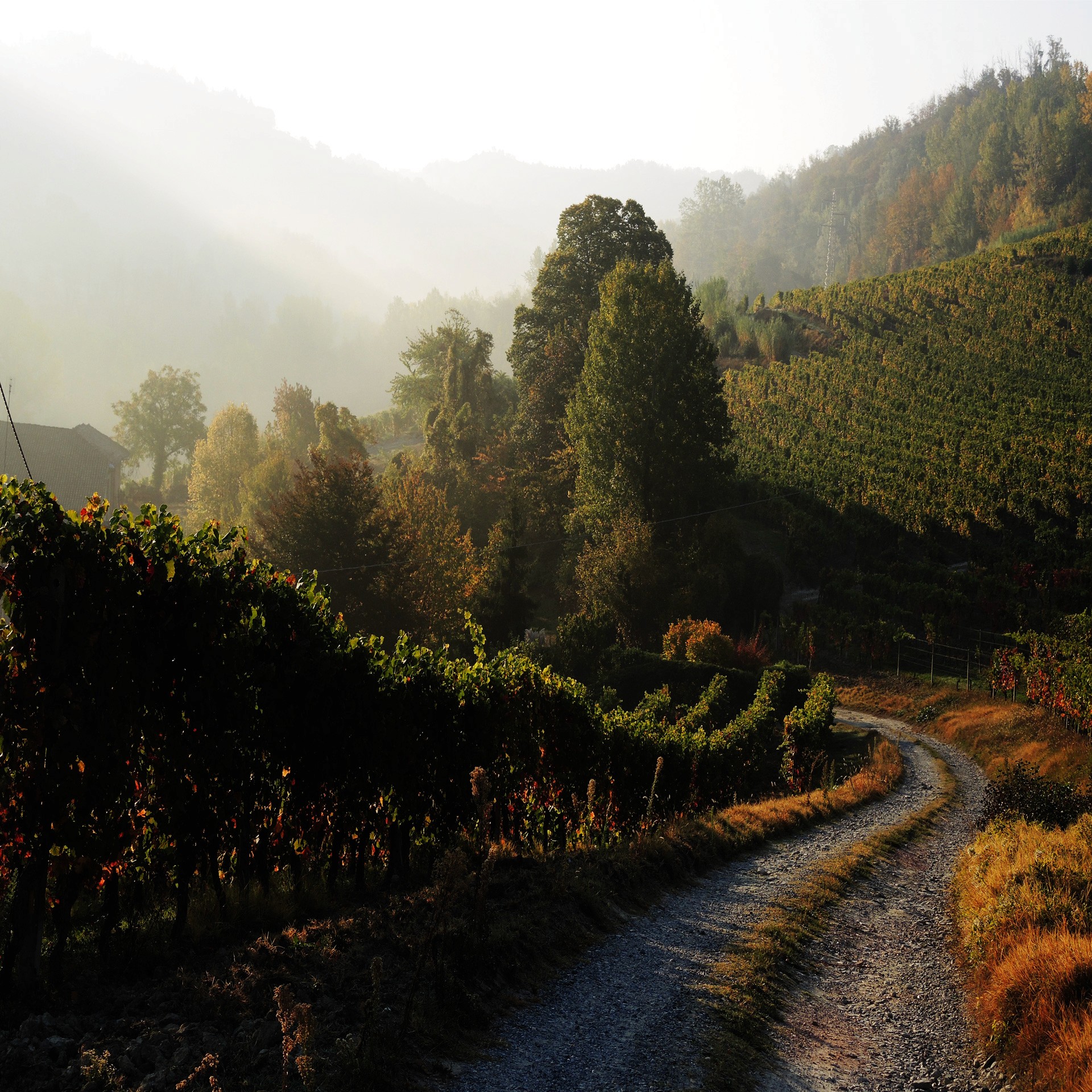
Villa Menaluna, Monferrato hills of Piedmont, Italy
Working across a range of brands, independents and regions in recent years, and watching the industry endure a global pandemic, made one thing clear: hospitality was changing fast. Years of “scale” producing identikit rooms and cosmetic rebrands left me largely apathetic to the big names. Meanwhile, it was the smaller operators who were busy innovating, only later to be absorbed by these global brand stables and rebranded as something “new”. There is a place for mass-market brands - they deliver consistency well. But today, I’m drawn to projects that go further: places with soul, where teams are proud to work and experiences feel genuinely distinctive.
This isn’t about trends; it’s a deeper shift. After a pandemic and years lived through tiny screens, travellers are yearning for connection – fewer notifications, less automation, and space to simply be together. Experiential travel spend continues to rise, and service is becoming less transactional and more human: unhurried, unscripted and, at its best, delightfully imperfect.
Now, in 2026, as I refocus my consultancy, I’m driven to work with owners and operators who believe in a return to true hospitality. In a digital world, the most powerful travel experiences pull us back into real life. That analogue reset feels long overdue.
At heart, I’ve always been a hotelier. Friends joke that my house becomes a boutique hotel when they visit - and they’re probably not wrong. I’m always the first up and the last to bed. Hospitality, for me, is instinctive.
This new chapter of my consultancy brings the opportunity to work closely with trusted colleagues who share my personal passion for the hospitality industry. Since my first job as a room attendant with Hilton National almost forty years ago, the industry has, of course, evolved. It takes me back to a 13-year-old boy at home, proudly shaking his first Gimlet. The tools have changed, the settings have shifted, and the stakes are higher – but the instinct remains the same.
Make people feel welcome.
Make them feel something.
Make them want to return.
That is hospitality.
