


More insights.
In a sea of sameness, what makes a brand, luxury or otherwise stand out? Today, luxury is about presence. A presence that shouts far louder than any material product or branding, whether this be in the world of hospitality, or any other commodity within the luxury lifestyle sphere.
A luxury brand today stands out not simply through price or exclusivity, but through a carefully crafted blend of identity, experience, and meaning. In a world where consumers are more informed and discerning than ever, luxury has evolved beyond material quality into something far more nuanced and emotionally driven. The audience of today seeks out the brands that they can identify with, which are aligned to them and their values, their culture, identity and sphere of influence.
The Power of Authenticity
Authenticity is critical. Modern luxury consumers expect brands to have a clear heritage or a compelling story, with genuine meaning, authenticity and a lasting legacy. Whether rooted in decades of craftsmanship or built on a bold contemporary vision, the brand must feel genuine. Heritage brands such as Loro Piana and Bottega Veneta are often regarded as the ‘quiet’ luxury brands, focusing on craftsmanship and timeless style and quality. Customers are drawn to narratives - who made the product, how it was made, and why it exists. A strong sense of purpose and identity sets the groundwork to help a brand differentiate itself in a crowded marketplace.
Where Craft Meets Innovation
Exceptional quality is a given. Whilst this has always been considered to be a pillar of luxury, today it must go beyond durability and design. Precision, attention to detail, and the use of superior materials are expected as a baseline. But what sets brands apart is how they are able to innovate within quality - combining traditional craftsmanship with modern technology, or reinterpreting classic designs in fresh ways. Respectful of the heritage, but relevant for today. The product, whether it be a beautiful handbag, cashmere sweater or a hotel suite must feel not only well-made, but thoughtfully created.
The Art of Experience
Customer experience has become one of the most important factors of differentiation. Luxury is no longer confined to the product itself and it now extends to every interaction a customer has with the brand. From highly personalised service and clientelling to seamless digital interfaces, every touchpoint must feel refined, curated and intentional. The HNW consumers at the very least expect to feel valued and understood, whether through mean bespoke services, exclusive access, or simply a level of personalised care that makes the experience both memorable and seamless. In the hospitality industry, a repeat guest should be revered. Someone who chooses the brand and property for how it makes them feel. Guest recognition is key, and whilst AI can play a part in this, it cannot make up for that genuine personal greeting as you walk in the door, and throughout your stay.
For me, the most memorable experiences have been travelling with my family. Not just about the personalised amenities, Xbox in the room for them, G&T for me, but the genuine welcome from the staff who go out of their way to recognise them as guests and not just the kids of a guest. It’s a genuine friendliness which makes the difference.
Exclusivity, Reimagined
Scarcity and exclusivity have always played a role, but this is being redefined. Instead of simply limiting supply, brands now create exclusivity through uniqueness and access. Limited editions, collaborations, and invitation-only experiences make customers and guests feel part of something special. However, this also should be balanced carefully as overexposure or mass availability can quickly erode a luxury brand’s appeal.
In today’s culturally led landscape, customer and guest values and ethics also significantly influence what makes a luxury brand stand out. Genuine transparency, sustainability, and social responsibility are key, and brands that demonstrate commitment to ethical sourcing, environmental impact, and fair labour practices gain trust and loyalty. Luxury is no longer just about indulgence - it is about conscious consumption and often it is not just about the car one drives or the brand that someone carries, but the ethos and values that are displayed.
The Rise of Conscious Luxury
Sustainability is key and a respect for the immediate environment is often a good place to start. When Jumeirah opened Saadiyat Island resort in 2018, they broke the ‘luxury’ mould by installing water coolers on all the floors, and giving guests a water bottle upon check in. Why? Their beach was home to the turtles a long time before hotels were built, and the property wanted to eradicate as much single use plastic as the possibly could.
A Digital Expression of Prestige
Another key differentiator is distribution and their digital presence. Even traditionally exclusive brands must operate effectively online and ensure that their brand messaging is effectively communicated and aligned. This does not mean abandoning exclusivity but rather translating it into a digital environment. Strong visual storytelling, consistency, curated content, and controlled distribution channels help maintain prestige while reaching a wider global audience.
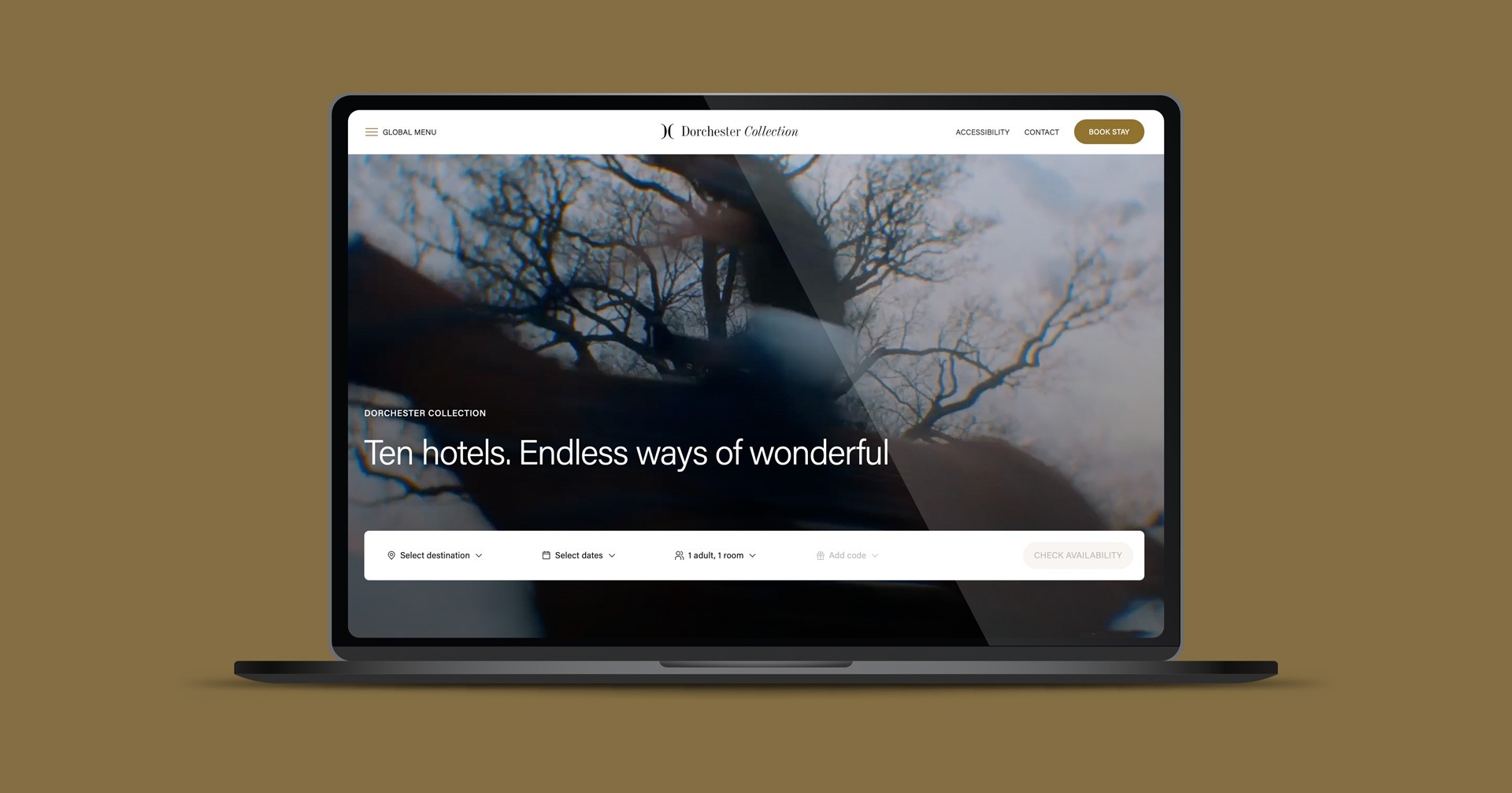
Dorchester Collection Website
Emotion as Currency
Most importantly it is emotional connection and trust that is what truly elevates a luxury brand. The most successful brands, legacy or more modern, make customers feel something whether it be confidence, aspiration, belonging, or even nostalgia. They have created a sense of identity that customers and guests want to associate with. With this connection, luxury becomes less about owning a product and more about expressing a lifestyle or set of values. In the luxury space, loyalty is linked to an emotional connection to the brand far more than any corporate programme. We know that many of the luxury brands such as Aman, Dorchester Collection, Four Seasons and Oetker do not have a points-based loyalty programme, yet their guest-centric strategy ensures personalisation and recognition throughout the guest journey.
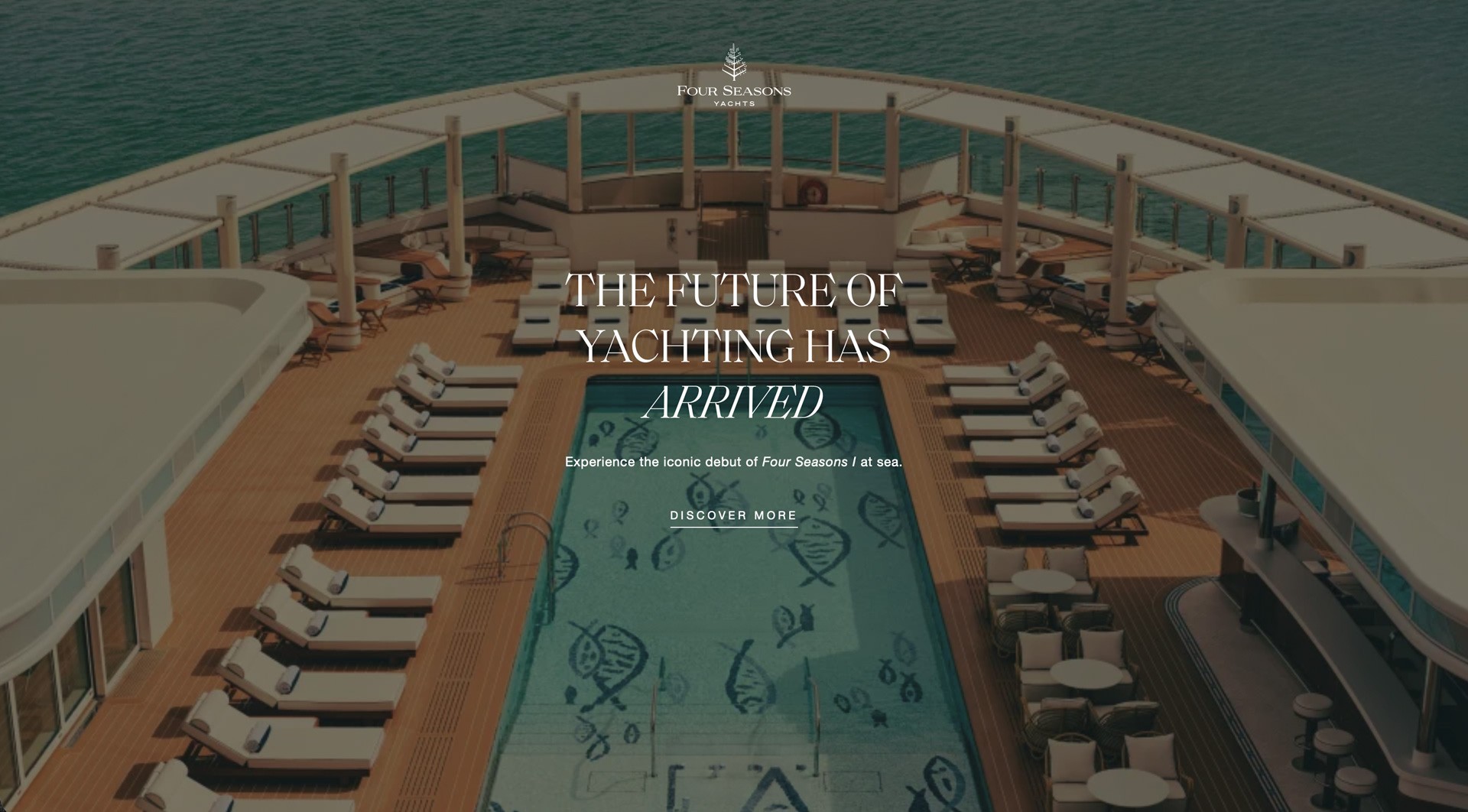
Four Seasons ventures into Yachts
The most successful brands that we know and love stand out in the sea sameness not because of what they sell, the size and décor of the rooms or the quality of service, but how they make people feel, what they represent, and how consistently they deliver on their promise across every dimension. They are built on trust, clear values, consistency in messaging which resonate with their audience, in turn, building a community of loyal advocates.
