



More insights.
Aman Venice & Bali
I first felt it properly in Bali, where I was fortunate enough to experience Aman firsthand at all three of its destinations, and it has stayed with me ever since. Now, watching Aman adapt that philosophy to Europe has been one of the most fascinating evolutions in modern luxury hospitality.
Aman arrived in Europe carrying a distinctly Far Eastern DNA: serenity over spectacle, ritual over routine, and service that feels intuitive rather than transactional. The question was whether that sensibility could survive in cities built on centuries of theatre, ornamentation and social display. The answer, remarkably, is that it didn’t just survive – it seems to have elevated the European experience.
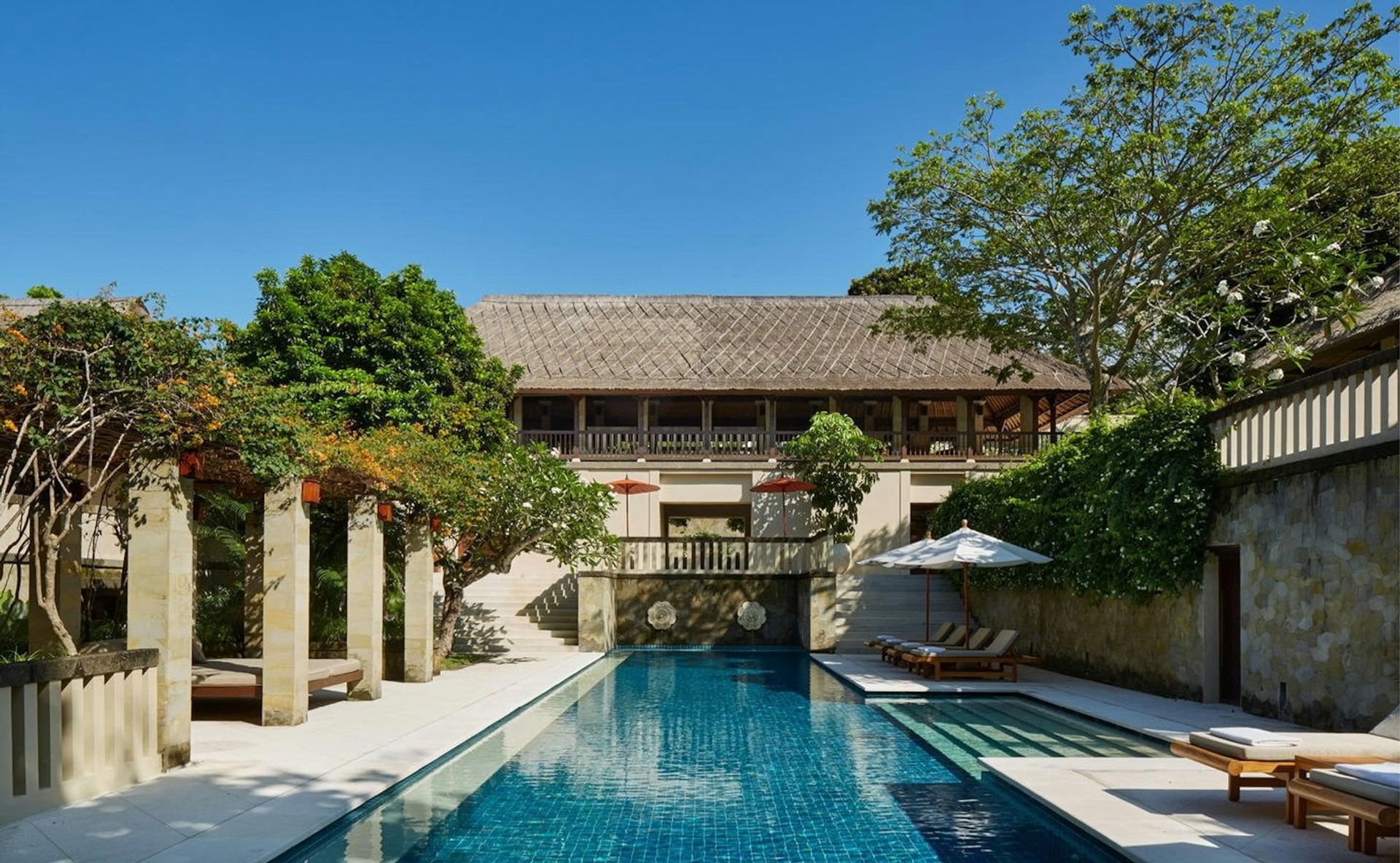
In Bali, Aman’s philosophy feels native. The architecture breathes with the jungle and rice fields, and hospitality becomes almost spiritual. Arrival is treated as a ritual. Movement through space is meditative. The staff do not simply “serve” - they sense. It’s hospitality as intuition, built around presence rather than process. This was over twenty years ago and that experience as a younger but slightly jaded hotelier for my age gave me a benchmark for what true luxury can feel like when it’s done with emotional intelligence instead of excess.
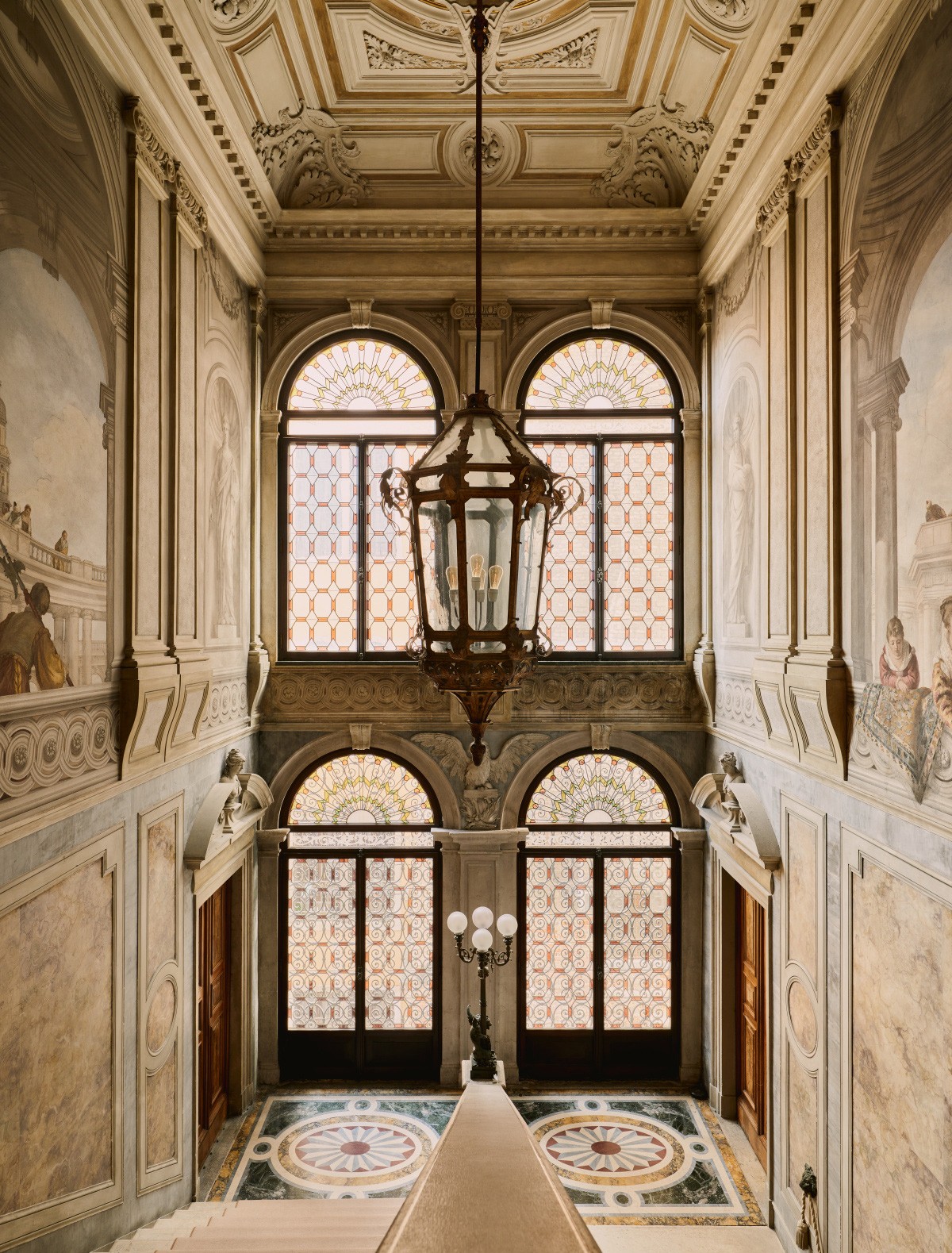
Which is why visiting Aman Venice more recently was a must and felt like watching a master translator at work. Housed inside the Palazzo Papadopoli on the Grand Canal, it could have leaned into European theatricality. Instead, Aman softened it. Where others might amplify gilding and grandeur, Aman introduced restraint. The grand becomes calm. The ornate becomes breathable. You feel wrapped in history, but never overwhelmed by it.
Perhaps the most striking example in Europe is Amanzoe in Greece, where Hellenic architecture meets Japanese spiritual minimalism. There, the Far East doesn’t feel imported; it feels interpreted. Rituals are expressed through light, water, silence and proportion.
What Aman has achieved in Europe isn’t just brand expansion – it’s cultural translation. It has introduced new hospitality touchpoints: the pause before entering, the tea ritual, the unspoken recognition of mood, the understanding that true luxury isn’t display, but discretion.
Aman in Europe doesn’t feel like an Asian brand trying to fit in. It feels like Europe, finally taught the art of stillness.
